Cost and money
Utility bills in Ocala by season
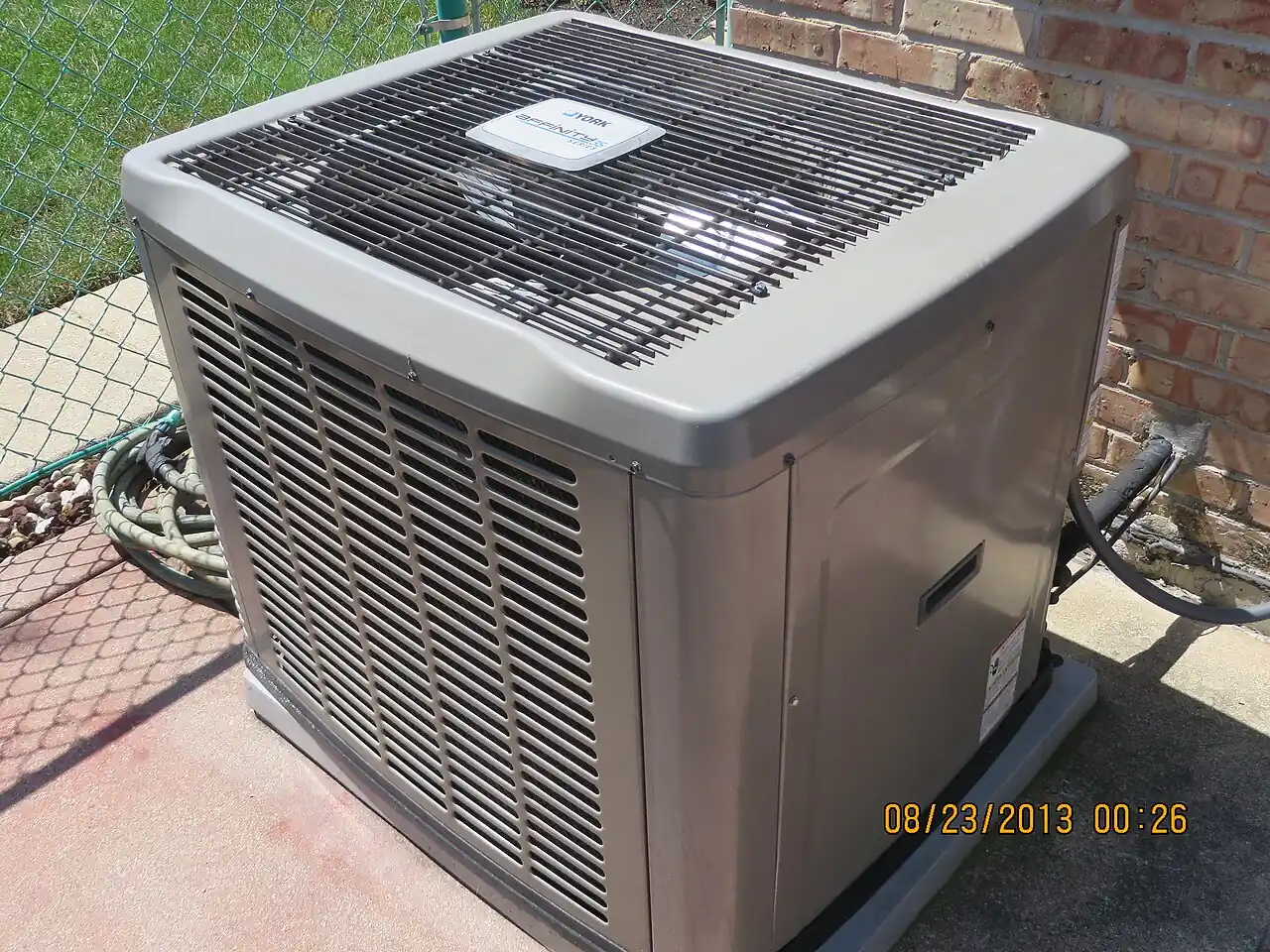
Nobody has a problem with the Florida winter electric bill. The number that catches new arrivals is August, and the annual average is designed to hide it.
Bottom line
- The Florida residential average ran from $129.75 in March 2025 to $221.97 in August 2025 — a $92 swing on the same house, driven almost entirely by air conditioning.
- Usage does the work, not price. March 2025 averaged 860 kilowatt-hours per customer and August averaged 1,444 — a 68 percent difference at a nearly flat price per unit.
- Budget the August bill, not the annual average. The average is arithmetically true and practically useless, because the high months arrive before you have adjusted.
The Florida electric bill is not a number. It is a curve, and the annual average sits in a part of the curve that almost never occurs.
The curve, from EIA's monthly data
Florida residential, per customer, by month — computed from EIA's Form EIA-861M sales and customer counts:
| 2025 | kWh per customer | cents/kWh | Average bill |
|---|---|---|---|
| January | 1,053 | 14.42 | $151.88 |
| February | 935 | 14.97 | $140.06 |
| March | 860 | 15.08 | $129.75 |
| April | 943 | 15.26 | $143.93 |
| May | 1,153 | 14.97 | $172.58 |
| June | 1,302 | 15.35 | $199.80 |
| July | 1,418 | 15.11 | $214.28 |
| August | 1,444 | 15.37 | $221.97 |
| September | 1,231 | 15.76 | $193.99 |
| October | 1,095 | 15.70 | $171.91 |
| November | 862 | 15.78 | $135.95 |
| December | 891 | 15.02 | $133.91 |
$129.75 in March. $221.97 in August. A $92 difference on the same house, and a 71 percent increase from the bottom of the year to the top.
The 2024 figures, which are final rather than preliminary, tell the same story slightly less dramatically: $127.54 in March, $200.72 in July.
It is usage, not price
Look at the middle column. Across the whole of 2025 the price per kilowatt-hour moved between 14.42 and 15.78 cents — a range of less than a cent and a half.
The bill moves because consumption moves: 860 kilowatt-hours in March and 1,444 in August, a 68 percent increase. You are not being charged more. You are buying much more, because the air conditioner runs continuously for four months.
That has a useful consequence: the levers that work are usage levers. Shopping for a rate is not available to most Florida households in the way it is in deregulated states, and the rate is not the problem anyway.
Where Florida sits nationally
| 2024 residential averages | kWh/month | cents/kWh | Monthly bill |
|---|---|---|---|
| Florida | 1,104 | 14.14 | $156.09 |
| United States | 863 | 16.48 | $142.26 |
| New Jersey | 662 | 19.34 | $128.13 |
| New York | 571 | 24.43 | $139.53 |
| Ohio | 846 | 15.99 | $135.16 |
| California | 503 | 31.97 | $160.86 |
The Florida position is distinctive: below-average price, well above-average consumption, slightly above-average bill. If you are arriving from New Jersey, your rate per unit falls by about a quarter and your consumption rises by about two thirds.
The comparison people get wrong is the northern one: a northern household's electricity bill is lower partly because its heating is on a separate gas bill. In Florida the electricity bill is doing more of the work, so compare total energy rather than the electric line alone.
What actually moves your own bill
In rough order of effect:
- The air conditioner's age and efficiency. A fifteen-year-old system and a new one are not a small difference across four months of continuous running.
- The thermostat. Every degree costs. This is the free lever and it is the one people fight about.
- The envelope. Insulation, windows and how well the house is sealed. Newer construction is generally better here, which is one of the lines in new construction vs resale.
- The roof and the attic. A hot attic above a duct run is a large and invisible loss.
- The pool pump, if there is one. It is a continuously running motor and it is frequently the second-largest load in a Florida house.
- The water heater, and whether it is electric.
- Shade. Marion County's oaks are worth real money in August, which is one more reason not to remove a mature tree lightly.
Budget the August bill, not the average
This is the practical instruction and it is the whole point of the article.
An annual average of $156 describes a month that barely exists. What exists is $130 in March and $222 in August, and the August one arrives in your first summer here, before you have adjusted the thermostat habits you brought with you and before you have found out what your particular house does in the heat.
Two ways to handle it:
- Budget the peak and enjoy the winter months.
- Ask your utility about level or budget billing, which averages the year into equal payments and then trues up. It does not save money; it removes the surprise, which for a fixed income is worth more than the arithmetic.
The bills that are not bills
In large parts of Marion County, water and sewer do not arrive as a monthly invoice at all, because the house is on a private well and an onsite septic system.
That is not free, it is just not billed:
- The well costs electricity to run — it is on your electric bill, not a water bill — and needs a pump eventually.
- The septic system needs periodic pumping and, eventually, drainfield work. The Florida Department of Health in Marion County permits and records these systems.
- Neither has a monthly line, which is precisely why both get left out of a relocation budget and why both are unwelcome surprises.
Which arrangement applies is an address-level question, as is which electric utility serves you — Marion County is split between several, and the boundaries do not follow the city limits. Ask before you sign anything, because it changes your rates, your deposit, and whose restoration queue you are in after a storm.
For the whole-household version of this, see a monthly budget for a couple in Ocala.
Sources
- U.S. Energy Information Administration — Form EIA-861M, monthly sales to ultimate customers by state — Florida residential, by month. 2025: March 860 kWh per customer at 15.08 cents, $129.75; August 1,444 kWh at 15.37 cents, $221.97; July 1,418 kWh, $214.28; January 1,053 kWh, $151.88. 2024 (final): July 1,464 kWh, $200.72; December 897 kWh, $127.22. Per-customer figures computed from sales and customer counts in the file (retrieved September 18, 2026)
- U.S. Energy Information Administration — 2024 average monthly residential bill by state — Florida 1,104 kWh per customer at 14.14 cents, $156.09; United States 863 kWh at 16.48 cents, $142.26; New Jersey 662 kWh at 19.34 cents, $128.13 (retrieved September 18, 2026)
- U.S. Energy Information Administration — Florida State Electricity Profile — Florida's primary generating fuel is natural gas; average retail price across all sectors 12.53 cents per kWh in 2024 (retrieved September 18, 2026)
- U.S. Census Bureau QuickFacts — Marion County, Florida — median monthly owner costs with a mortgage $1,406 and without $499, which include utility-adjacent costs. ACS figures are 2020-2024 five-year estimates in 2024 dollars (retrieved September 18, 2026)
- Florida Department of Health in Marion County — private well and onsite sewage systems, which serve large parts of the county in place of a utility bill (retrieved September 18, 2026)
Common questions
How much is the average electric bill in Ocala?
There is no Ocala-specific published figure, and the county is served by more than one utility. The best sourced answer is the Florida residential average, which EIA publishes monthly: $156.09 monthly across 2024, made up of months ranging from $127.22 in December to $200.72 in July. In 2025 the range was $129.75 in March to $221.97 in August. Your own bill depends on the house, the insulation, the age of the air conditioner and the thermostat setting.
Why are Florida electric bills higher in summer?
Air conditioning, and the size of the effect is larger than people expect. EIA's monthly data puts Florida residential consumption at 860 kilowatt-hours per customer in March 2025 and 1,444 in August — a 68 percent increase, at a price per kilowatt-hour that barely moved. The bill rises because you are buying more electricity, not because it costs more.
Is electricity expensive in Florida?
Per unit, no: Florida averaged 14.14 cents per kilowatt-hour in 2024 against a United States average of 16.48. The bill is higher anyway because consumption is much higher — 1,104 kilowatt-hours a month against a national 863. Low rate, high usage, higher total.
Which utility serves Ocala?
It depends on the address. Marion County is served by more than one electric utility and the boundaries do not follow the city limits or the compass. Ask about the specific address before you buy or sign a lease; it changes your rates, your deposit and whose outage map you will be refreshing after a storm.
What about water, sewer and waste?
Also address-dependent, and in large parts of Marion County the answers are a private well and an onsite septic system rather than a bill from anybody. A well costs electricity to run and a septic system costs periodic pumping; neither arrives as a monthly invoice, which makes them easy to leave out of a budget and expensive to be surprised by.