Moving basics
Humidity in Ocala and what it does to your AC bill
Relative humidity in Ocala barely changes between January and July. The amount of water in the air changes enormously. That gap is the whole subject, and it is also why the summer electric bill behaves the way it does.
Bottom line
- Stop reading relative humidity and read the dew point. At the nearest station with a published humidity record, the 1 p.m. relative humidity is 61 percent in January and 63 percent in July — nearly identical — while the mean dew point goes from 47.8 degrees to 73.6.
- The National Weather Service calls a dew point of 65 degrees and above "lots of moisture in the air, becoming oppressive". Five months of the year sit at or above it here, and four of them sit above 71.
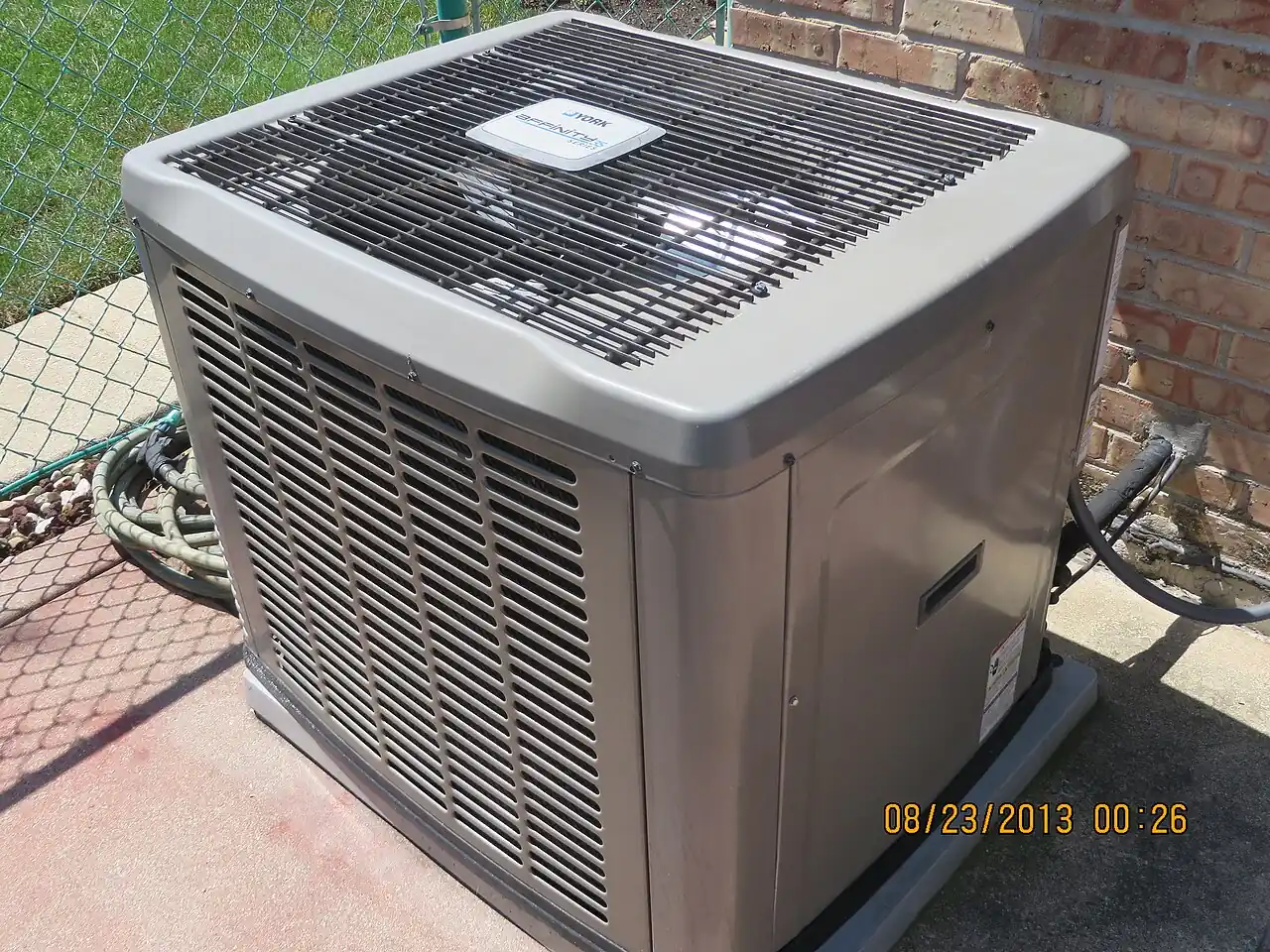
- Your air conditioner is a dehumidifier that also cools. It has to run long enough for water to condense on the coil and drain away, which is why an oversized system both costs more and leaves the house clammy.
I moved here from Miami, where nobody discusses humidity because there is nothing to discuss. Inland Florida is where you start paying attention, because the number everybody looks up is the wrong number and the right one explains both how the summer feels and why the air conditioner never seems to stop.
The reading you look up is not the reading you feel
The published climate normals for Ocala's own station cover temperature and rainfall; the humidity record comes from Gainesville, the nearest station north of the county line that NOAA publishes one for. Its normals contain the fact that reorganises this whole subject.
Relative humidity at 1 p.m., from NOAA's normals table for that station:
- January: 61 percent.
- July: 63 percent.
Those are effectively the same number, and anybody who has stood outside here in both months knows they describe nothing like the same afternoon. The relative humidity is a ratio — how close the air is to holding all the water it can at its current temperature. Warm air holds far more water, so the same ratio over a 92-degree afternoon and a 70-degree one means wildly different amounts of water.
Read the dew point instead
The dew point is the temperature the air would have to be cooled to in order to reach 100 percent relative humidity. It moves with the actual moisture in the air and not with the thermometer, which is why the National Weather Service is blunt about which one to use:
The higher the dew point, the muggier it will feel.
Their summer comfort bands:
| Dew point | What it is |
|---|---|
| 55 degrees and below | "dry and comfortable" |
| 55 to 65 | "becoming 'sticky' with muggy evenings" |
| 65 and above | "lots of moisture in the air, becoming oppressive" |
Now the same station's mean dew point by month, against those bands:
| Month | Mean dew point | Band |
|---|---|---|
| January | 47.8 | dry and comfortable |
| February | 50.3 | dry and comfortable |
| March | 54.2 | dry and comfortable |
| April | 58.7 | sticky |
| May | 65.0 | oppressive, exactly at the line |
| June | 71.5 | oppressive |
| July | 73.6 | oppressive |
| August | 73.9 | oppressive |
| September | 71.3 | oppressive |
| October | 63.9 | sticky |
| November | 56.3 | sticky |
| December | 50.7 | dry and comfortable |
| Year | 61.4 | sticky |
Five months at or above the oppressive threshold, four of them more than six degrees past it. That is the humidity in Ocala, stated in the units that describe it, and it lines up with how the National Weather Service defines the wet half of the year in the first place: persistent dew points above 70 degrees, roughly mid-May to mid-October. The daily shape of that season is its own subject, covered in Florida's rainy season, explained for new residents.
The flip side is the part nobody mentions in the brochures: four months of the year here are genuinely dry by the Weather Service's own standard — January, February, March and December all sit below the 55-degree line. That is a real winter difference from South Florida, and it is one of the few things about the move I noticed immediately rather than six months in. More of that comparison is in moving to Ocala from Miami.
What your air conditioner is actually doing
Here is the part that connects the dew point to the bill. An air conditioner does two jobs at once:
- It lowers the air temperature. This is the job the thermostat measures.
- It takes water out of the air. Warm humid air hits a cold coil, condenses, and the water runs down a drain line to the outside of your house. Nothing on the wall measures this, and in a Marion County August it is a large share of the work.
The second job is why the machine cannot do its work in short bursts. Water has to actually condense on the coil and drain away, and that takes run time. ENERGY STAR puts a number on how run time relates to efficiency: a system's efficiency is low at start-up and reaches peak in about ten minutes, and raising run time from five minutes to nine improves efficiency 17 percent.
Which produces the most expensive mistake in Florida cooling: an air conditioner that is too big for the house. It sounds like the safe choice and it is not. Oversized systems "short-cycle" — they satisfy the thermostat fast, shut off before the coil has done much dehumidifying, and in ENERGY STAR's words, "short operation times do not allow the system to effectively remove humidity with serious repercussions on both home comfort and durability."
So the house hits the setpoint, the system stops, and you are standing in a cool room that still feels like a basement. The usual response is to drop the thermostat a couple of degrees, which buys more run time and more dehumidifying by accident, at a price. A right-sized system runs longer and less often and gets both jobs done in the same cycle.
Why the bill is a cooling bill
The degree-day normals for the Gainesville station tell you where the year's energy goes before you look at a single appliance:
- Cooling degree days: 2,743 a year. July 507, August 504.
- Heating degree days: 1,139 a year. The cooling figure for January is 16.
The cooling side of the year is nearly two and a half times the heating side. ENERGY STAR puts air conditioning at 13 percent of total home energy expenses on average and over 20 percent in hot humid regions, which is the category this county is in. The Energy Information Administration's share for space heating and air conditioning combined was 52 percent of household energy consumption in 2020 — and in a place with 2,743 cooling degree days, you can work out which half of that pair is doing the spending.
What that looks like month by month on an actual bill, including why the annual average is the least useful figure in the conversation, is in utility bills in Ocala by season. If you are trying to work out whether the whole budget lands differently here than where you live now, the cost-of-living comparison calculator puts the categories side by side.
The indoor number to aim at
Two federal sources, the same answer. The EPA: indoor relative humidity "should be kept below 60 percent -- ideally between 30 percent and 50 percent, if possible." ENERGY STAR: 30 to 50 percent is the optimum for a building, and "anything above this range may promote mold growth."
A cheap hygrometer will tell you where your house actually sits, which is worth knowing because the answer varies by room and by season. Two things follow from the EPA's framing:
- Condensation is the mechanism. Warm humid air meeting a cold surface is where the water shows up — which is why the problem spots in a Florida house are the ones with a temperature difference across them, and why a supply vent blasting at a closed-off room is a bad idea.
- Crawl spaces and enclosed voids are the hidden version. The EPA names high relative humidity in crawl spaces as a common site of hidden mold growth. On older raised houses in this county, that is a real thing to have looked at.
The shoulder months are the hard ones
This is the one that surprises people, and it follows directly from the table above. The worst indoor humidity months are often not July and August.
In July the outdoor air is loaded with water, but it is also 92 degrees on the normal, so the thermostat calls for cooling constantly, and all that run time is pulling water out of the house as a side effect. In April, October and November the air still carries a lot of moisture — mean dew points of 58.7, 63.9 and 56.3 — but the house never gets warm enough to demand much cooling. Short cycles, little dehumidifying, and a clammy house at a thermostat reading that looks fine.
That is the gap a standalone dehumidifier is actually for, rather than the height of summer. ENERGY STAR notes a certified unit removes the same amount of moisture on 20 percent less energy than a comparable conventional one, which matters if it is going to run for weeks at a time.
The practical list
- Insist on a load calculation, not a rule of thumb, if you are replacing a system or specifying one on a new house. Bigger is not safer here; it is the specific failure mode that leaves a house humid.
- Keep the filter clean. Restricted airflow across the coil is the cheapest way to lose capacity you paid for.
- Find the condensate drain line and know where it exits. It carries water out of your house every day in summer. When it clogs, the water goes somewhere else, usually into a ceiling.
- Put a hygrometer in the room you sit in. Target under 60 percent, aim at 30 to 50.
- Set the thermostat fan to auto, not on. Continuous fan can re-evaporate water off a wet coil and push it back into the house between cooling cycles.
- Plan for the shoulder seasons separately. If the house feels clammy in May or November while the bill is low, the problem is not capacity, and dropping the thermostat is the expensive way to solve it.
- Look at the house before you worry about the equipment. Insulation, duct sealing and the state of the windows decide how much cooling load the equipment has to meet in the first place.
The whole subject is less about tolerating heat than about understanding what your equipment is being asked to do between May and October. The rest of the year's weather, month by month, is in Ocala weather month by month, and the other practicalities of landing here are in the moving basics guides.
Sources
- NOAA National Centers for Environmental Information — 2023 Local Climatological Data Annual Summary, Gainesville (KGNV), WBAN 12816 — the normals, means and extremes table for the nearest station to Ocala publishing a humidity record. Mean dew point by month: January 47.8, February 50.3, March 54.2, April 58.7, May 65.0, June 71.5, July 73.6, August 73.9, September 71.3, October 63.9, November 56.3, December 50.7, year 61.4 degrees. Normal relative humidity, year: 78 percent mean, 93 at 7 a.m., 59 at 1 p.m.; January 78 mean, 90 at 7 a.m., 61 at 1 p.m.; July 81 mean, 94 at 7 a.m., 63 at 1 p.m.; August 83 mean, 96 at 7 a.m., 64 at 1 p.m. Normal cooling degree days 2,743 a year, July 507, August 504, January 16; normal heating degree days 1,139 a year. Every humidity, dew point and degree-day figure in this article comes from this table (retrieved October 1, 2026)
- National Weather Service, La Crosse — dew point vs relative humidity — the dew point is the temperature air must be cooled to in order to reach 100 percent relative humidity; summer comfort bands of 55 degrees and below "dry and comfortable", 55 to 65 "becoming sticky with muggy evenings", 65 and above "lots of moisture in the air, becoming oppressive"; and the instruction to read the dew point rather than the relative humidity (retrieved October 1, 2026)
- ENERGY STAR — Right-Sized Air Conditioners, Mechanical Equipment Improvements — oversized air conditioners short-cycle; efficiency is low at start-up and reaches peak in about ten minutes; raising run time from five to nine minutes improves efficiency 17 percent, EER 6 to 7; short operation times do not allow the system to effectively remove humidity; air conditioning is 13 percent of total home energy expenses on average and over 20 percent in hot humid regions (retrieved October 1, 2026)
- U.S. EPA — Mold Course, Chapter 2: why and where mold grows — indoor relative humidity should be kept below 60 percent, ideally between 30 and 50 percent; 60 percent relative humidity listed as a common moisture problem associated with mold; condensation forms when warm humid air contacts a cold surface; crawl spaces with high relative humidity are common sites of hidden mold growth (retrieved October 1, 2026)
- ENERGY STAR — Dehumidifiers — the optimum relative humidity for a building is generally considered to be between 30 and 50 percent, and anything above that range may promote mold growth; a certified dehumidifier removes the same moisture using 20 percent less energy than a comparable conventional unit (retrieved October 1, 2026)
- U.S. Energy Information Administration — Energy Explained: use of energy in homes — space heating and air conditioning together accounted for 52 percent of a household's annual energy consumption in 2020 (retrieved October 1, 2026)
- National Weather Service, Tampa Bay — Florida's rainy season — the rainy season is characterised by persistent dew point values above 70 degrees; dated May 15 to October 15 for southwest Florida and May 25 to October 10 for west central Florida; precipitable water typically 1.7 to 1.9 inches in the season (retrieved October 1, 2026)
- Florida Climate Center — Ocala 1991-2020 climate normals — the Ocala station, COOP ID 086414: normal maximum 92.0 degrees in July and 70.6 in January, annual normal maximum 82.8; normal minimum 72.5 in August; annual normal precipitation 51.64 inches (retrieved October 1, 2026)
Common questions
What is the humidity like in Ocala, Florida?
Humid year round, and much more humid in summer than the relative humidity numbers suggest. The nearest station publishing a long-term humidity record is Gainesville, just north of Marion County, and its normals put the annual mean relative humidity at 78 percent — 93 percent at 7 a.m. and 59 percent at 1 p.m. The figure that tracks how it feels is the dew point, and the station's mean dew point runs from 47.8 degrees in January to 73.9 in August.
Which months are the most humid in Ocala?
June through September. Mean dew point at the Gainesville station is 71.5 degrees in June, 73.6 in July, 73.9 in August and 71.3 in September. May crosses the National Weather Service's oppressive threshold at exactly 65.0, and October drops back under it at 63.9. November through April are all below 59, and January and February are below the 55-degree line the Weather Service calls dry and comfortable.
Why is the relative humidity reading higher in the morning than in the afternoon?
Because relative humidity is a ratio, not an amount. It measures how close the air is to saturation at its current temperature, and warm air holds far more water than cool air. At the Gainesville station the July normal is 94 percent at 7 a.m. and 63 percent at 1 p.m. — the same moisture, a warmer afternoon, a smaller fraction. This is why the Weather Service tells you to look at the dew point instead: the dew point is the temperature the air would have to be cooled to in order to reach 100 percent, so it rises and falls with actual moisture rather than with the thermometer.
Does humidity actually raise your electric bill?
Yes, because pulling water out of the air takes energy whether or not the thermostat needs the temperature lowered. The cooling load is the reason a Florida bill is shaped the way it is: the Gainesville normals show 2,743 cooling degree days a year against 1,139 heating degree days. ENERGY STAR puts air conditioning at 13 percent of total home energy expenses on average and over 20 percent in hot humid regions, and the Energy Information Administration reports that space heating and air conditioning together were 52 percent of a household's annual energy consumption in 2020. What that comes to on your own bill is covered in <a href="/guides/cost-and-money/utility-bills-in-ocala-by-season/">utility bills in Ocala by season</a>.
What indoor humidity should you keep a Florida house at?
The EPA says indoor relative humidity "should be kept below 60 percent -- ideally between 30 percent and 50 percent, if possible", and ENERGY STAR gives the same 30 to 50 percent range as the optimum for a building, noting that anything above it may promote mold growth. In practice a correctly sized air conditioner doing its job holds a Marion County house in that band most of the summer. The months it struggles are the mild, wet ones, when the air is loaded with water but the house never gets warm enough to call for much cooling.